

Nakuru Informal Settlements Water Project (NISWP)
Project Overview
Led by Flamingo Lakes Conservation Network (FlamingoNet), this 24-month initiative aims to enhance access to clean, affordable water in Nakuru’s informal settlements— Kaptembwa and Rhonda. With a budget of KES 5.75 million, the project promotes climate-resilient, inclusive water management, aligned with Nakuru County’s development plans and SDG 6 (Clean Water & Sanitation)
The Problem
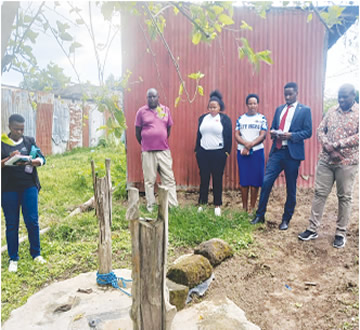
Nakuru faces a 40,000-liter daily water supply deficit, worsened by aging infrastructure, illegal connections, and unreliable service. Only 6% of residents in Kaptembwa and Rhonda have household water connections, while the rest rely on costly and unsafe communal sources. This leads to public health risks, gender-based vulnerabilities, and educational disruption for children tasked with fetching water.
Proposed Solutions
2. Infrastructure Improvements
3. Smart Water Vending Kiosks
4. Delegated Management Model
Target Groups
→ 300 women and youth as direct beneficiaries
→ Wider Kaptembwa and Rhonda communities, including vulnerable groups and school children
→ Water-related institutions, vendors, and resident associations
Partners & Collaborators
• NAWASSCO, Nakuru County Government, WRA,
NEMA, Egerton University, KPCG, CEDGG, and
PACJA
• Residents‘ associations and community groups for mobilization and M&E
Expected Results & Impact
→ Improved water access and affordability
→ Reduced waterborne disease and time burden on women and children
→ Increased inclusion of youth and women in decision making
→ Smart and sustainable water systems established
Added Value
By blending technology, policy advocacy, and public-private partnerships, this project fosters community ownership, strengthens urban water governance, and boosts resilience to climate challenges.
OTHER PROJECTS