

Nakuru Sustainable Solid Waste Empowerment Project (NASWEP)
Project Overview
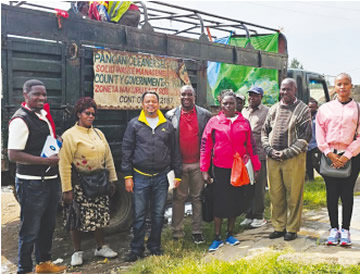
Led by the Pangani Cleaners Women Group, the Nakuru Sustainable Solid Waste Empowerment Project (NASWEP) aims to improve solid waste management (SWM) in Pangani and Lakeview, two low-income settlements in Nakuru City. With a KES 4.9 million budget and a24-monthtimeline, the project empowerswomen and youthto build livelihoods through waste recycling while improving environmental health and governance.
The Problem
Nakuru generates over 250 tons of waste daily, yet less than half is collected. Poor infrastructure, lack of source segregation, and limited formal SWM services in informal areas like Pangani and Lakeview cause pollution, especially to Lake Nakuru National Park—a vital UNESCO World Heritage site. Only 1,114 of 18,429 households in these areas are served by private waste providers, resulting in indiscriminate dumping, health hazards, and social vulnerabilities, especially for women and children
Project Goals and Solutions
Smart Waste Tracking
Green Enterprise Development
Capacity Building & PPPs
Target Groups
→ Primary : Youth, women, and vulnerable groups in Pangani and Lakeview
→ Secondary : Private waste providers, CSOs, schools, and local authorities
Tertiary : Residents of Nakuru and visitors to Lake Nakuru National Park
Partnerships
• Key stakeholders include NEMA, County Government of Nakuru, NAWASSCO, KWS, FlamingoNet, FES, PACJA,and CSUDP —supporting policy, enforcement, technical input, and funding.
Expected Impact
→ Waste collection penetration from 6% to near 100% coverage
→ Reduction of over 400 tons/month of waste to dumpsites
→ Cleaner environment, reduced disease, and safer wildlife habitats
→ Empowered youth and women-led enterprises in the green economy
Added Value
This project blends technology, policy, and community empowerment to support Nakuru’s transition to a circular economy, aligning with climate goals and urban resilience. By turning waste into wealth, NASWEP envisions a cleaner, greener, more inclusive Nakuru
OTHER PROJECTS