

ENVIRONMENTAL EDUCATION, PUBLIC AWARENESS PROGRAMME
Environmental education programs bring about a change in attitude towards resource
use, from purely utilitarian to one that embodies a sense of responsible stewardship. The
anticipated impact is greater public responsibility towards environmental protection and
sustainable development of the areas’ natural resources. Gender roles and responsibilities are now being positively accredited to committed and resourceful men and women.
Women, especially in the urban set up are beginning to ascend to leadership positions they once shied away from. There is also increasing number of female participants in seminars, workshops, park tours and residential training. They are likely to play a crucial role in transferring skills to other women and future generations by virtue of the important role they play in social functions, farming and child rearing.
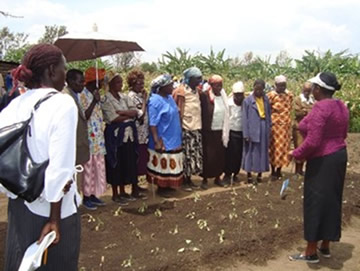
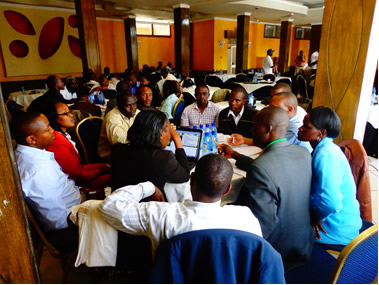
Women play important roles in environmental conservation at farm level and gender training of lake basin managers and extension staff is needed to enable them understand and address gender realities, learn social relations between women and men and empower them address some the complex gender related matters through participatory approaches.
Women have been an important target group for training in conservation. Women have busy schedules and many are unable to attend the one-week residential course in sustainable agriculture offered at Baraka agricultural college. Under these circumstances, the special onsite training is designed to meet their needs and conducted at their villages. Structured lessons are provided in small doses over a period of 2-3 months. The training is practical and lessons are delivered in local languages in order to reach a wider audience. Topics taught during these events touch on livelihoods like wood energy conservation, composting, tree production and planting, soil erosion control and kitchen gardening (double digging).
Field days are popular activities among farmers in the catchment since they are held close to
their homes and take relatively short periods.Apart from mobilising communities to implement conservation activities, Ward Climate Committees help the project in collecting data on climate change impacts. This involves convening meetings with village elders to gather information on the numbers of conserved farms in each target village that have initiated conservation measures, planted trees installed energy efficient devices and water harvesting measures.
The investment to residential and onsite training courses have had a positive impact to conservation within catchment. The trained farmers are able to promote conservation to their neighbours and friends. This process is known as farmer to farmers training. The same farmers are involved in organising and running field days in collaboration with the project and those from the relevant government departments.
The main beneficiaries of the project’s training for conservation have been members of the local community. Although training opportunities are offered indiscriminately, not all members of the community benefited equally. Women by virtue of the crucial role they play in the management of households were unable to take full advantage of the institutional training provided at Baraka. On the other hand, attendance by women at field training is high. The high ratio of trained farmers to number of farms suggests that no member of a target community is far from technical help.
The formation of Ward Climate Change Committees is a recent development actively encouraged by the project. They have been formed to act as representatives of the project for discussing issues related to the management of climate change, village lands and to take the lead in organising and coordinating community self reliance, climate change resilence and environmental conservation work.