

TREE PLANTING, LANDSCAPE RESTORATION AND FOREST MANAGEMENT
Forests and trees play multiple functions in contributing to the livelihoods of indigenous peoples and local communities, in supplying food and rural energy. However, these forests are threatened with agricultural expansion, over exploitation and unsustainable use of forest resources; population increase and widespread youth unemployment have led to increased pressure on forest resources. Sustainable forest management is therefore important because it requires the mainstreaming of human rights into forest governance and administration, including protecting the rights of indigenous peoples and local communities. It also requires the enhancement of procedural rights, including consultation of the public during decision making, provision of public awareness and education on forestry, access to dispute resolution mechanisms, and access to critical information.
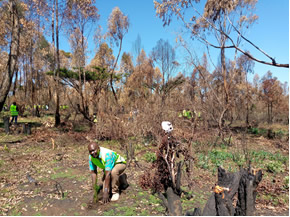
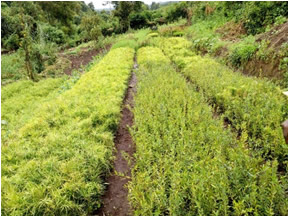
To work with local communities to identify, prioritise, co-create and implement sustainable approaches for resource management including; providing technical and material support in establishing tree nurseries, tree planting, soil conservation, as well as energy conservation technologies We support Community Forest Associations to draft Participatory Forest Management Plans, establish seed orchards, establish individual and commercial tree nurseries, conduct trainings, forest field schools and undertake tree planting both on-farm, in the forests and in urban spaces.